
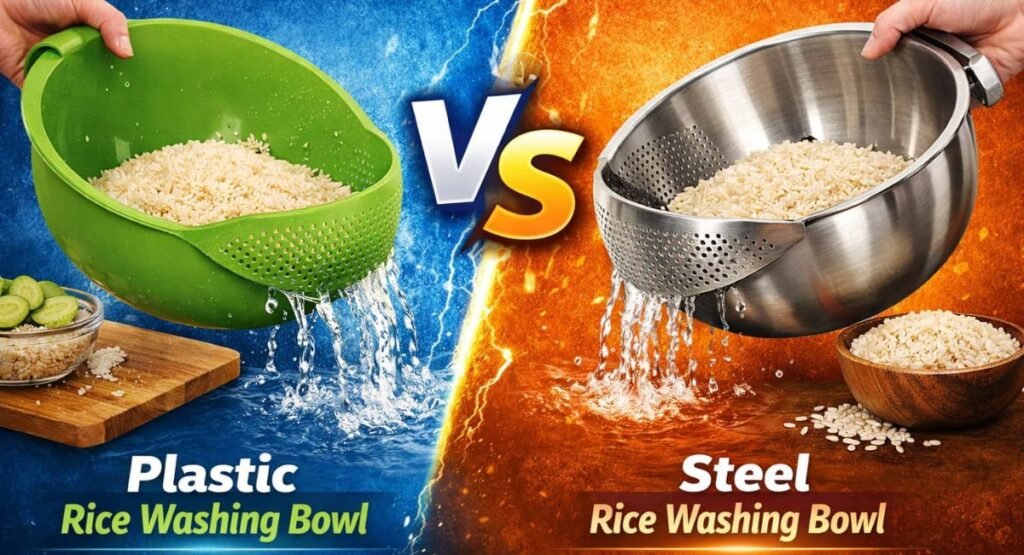
Plastic vs Steel Rice Washing Bowl – Which Is Better in 2026? (Pros & Cons)
Cooking is both an art and a science, and one of the most overlooked tools in every kitchen is the humble rice washing bowl. In 2026, home chefs and cooking enthusiasts are debating: Plastic vs Steel Rice Washing Bowl – Which is better? This guide will provide a detailed comparison, explore the pros and cons of each material, and help you choose the perfect rice washing solution for your kitchen.
Whether you are a beginner cook or a professional, having the right rice washing bowl can save time, improve hygiene, and make meal preparation seamless. Modern kitchens today focus not only on convenience but also on using tools that last longer and are safe for daily use.
Why Choosing the Right Rice Washing Bowl Matters
Rice is a staple for millions of households worldwide, and washing it properly is essential to remove excess starch, dust, and impurities. A well-designed rice washing bowl can:
- Ensure hygienic preparation
- Reduce water spillage
- Save time in daily cooking
- Increase the lifespan of your kitchen tools
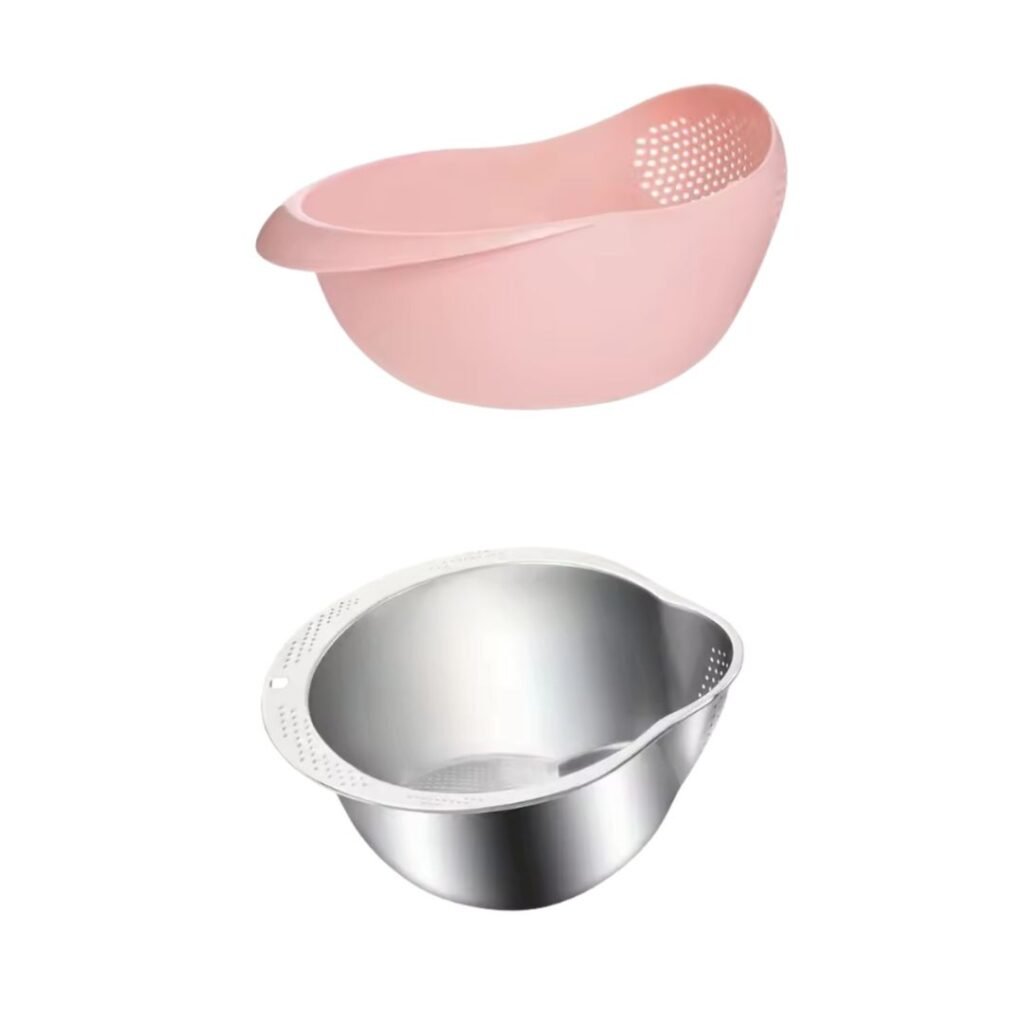
Many home cooks in 2026 are turning towards stainless steel options like the Rice Washer Strainer Bowl Stainless Steel 304 because they are durable, chemical-free, and easy to maintain. In fact, this particular steel bowl has become a popular choice among families looking to upgrade their kitchens alongside modern appliances.
Material Comparison: Plastic vs Steel Rice Washing Bowls
Feature | Plastic Rice Washing Bowl | Steel Rice Washing Bowl |
Durability | Can crack or deform over time | Extremely durable and long-lasting |
Hygiene | May retain odors or stain | Resistant to stains, odors, and bacteria |
Eco-Friendliness | Often not recyclable; chemical risk | 100% recyclable, chemical-free, eco-friendly |
Ease of Cleaning | Easy but may scratch | Dishwasher safe and easy to maintain |
Cost | Affordable, low initial investment | Higher upfront cost but long-term value |
Weight | Lightweight, easy to handle | Slightly heavier but stable during use |
Design Options | Variety of colors, less sturdy | Limited colors, robust and sleek design |
Steel bowls, particularly the Rice Washer Strainer Bowl Stainless Steel 304, outperform plastic in durability, hygiene, and eco-friendliness. Plastic bowls may still be preferred by those on a tight budget or needing ultra-lightweight tools, but in 2026, steel is the smarter long-term choice.
Pros of Plastic Rice Washing Bowls
- Affordable and Lightweight
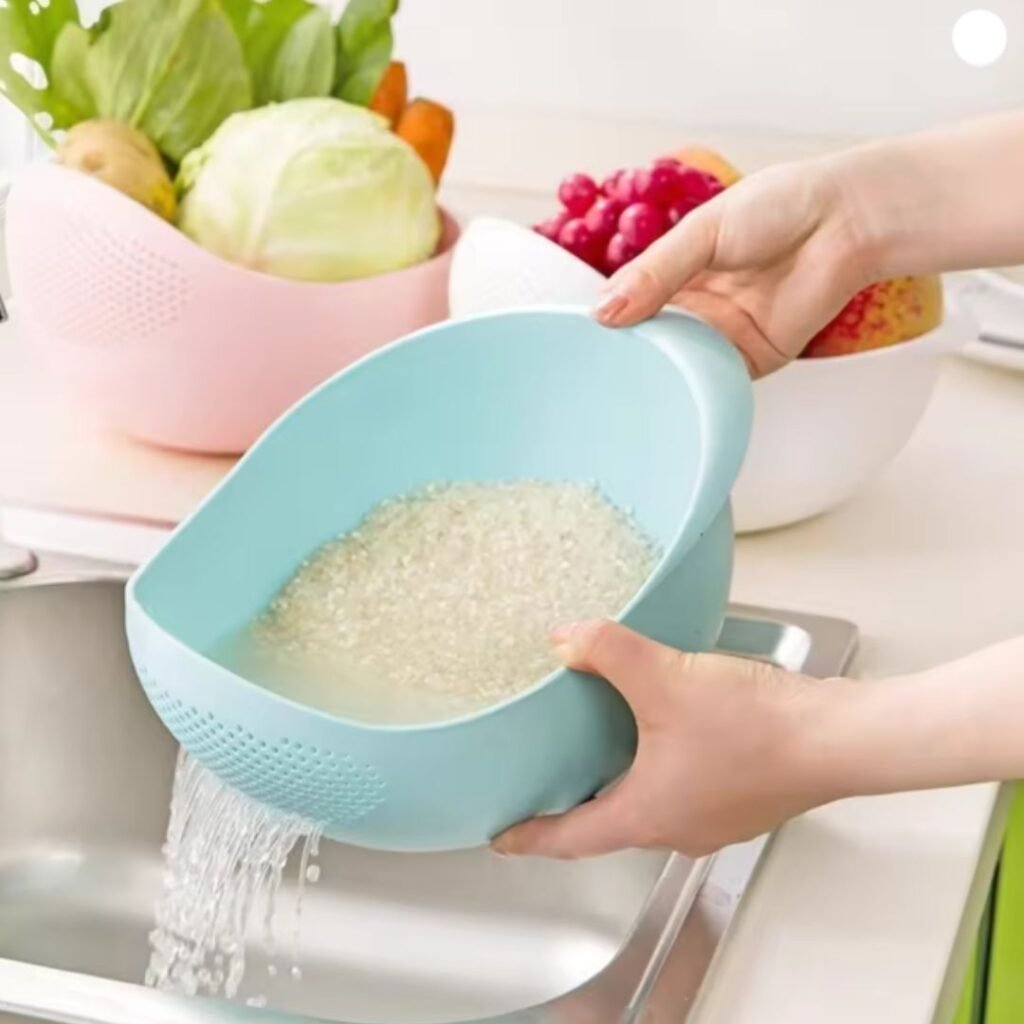
Plastic rice washing bowls are inexpensive and easy to handle, making them suitable for small kitchens or households on a budget. - Variety of Designs and Colors
Plastic bowls come in numerous colors and shapes, allowing users to match their kitchen décor or personal preference. - Convenience for Quick Use
Due to their lightweight nature, plastic bowls are convenient for quick rice washing, especially for small meals.
Cons of Plastic Rice Washing Bowls
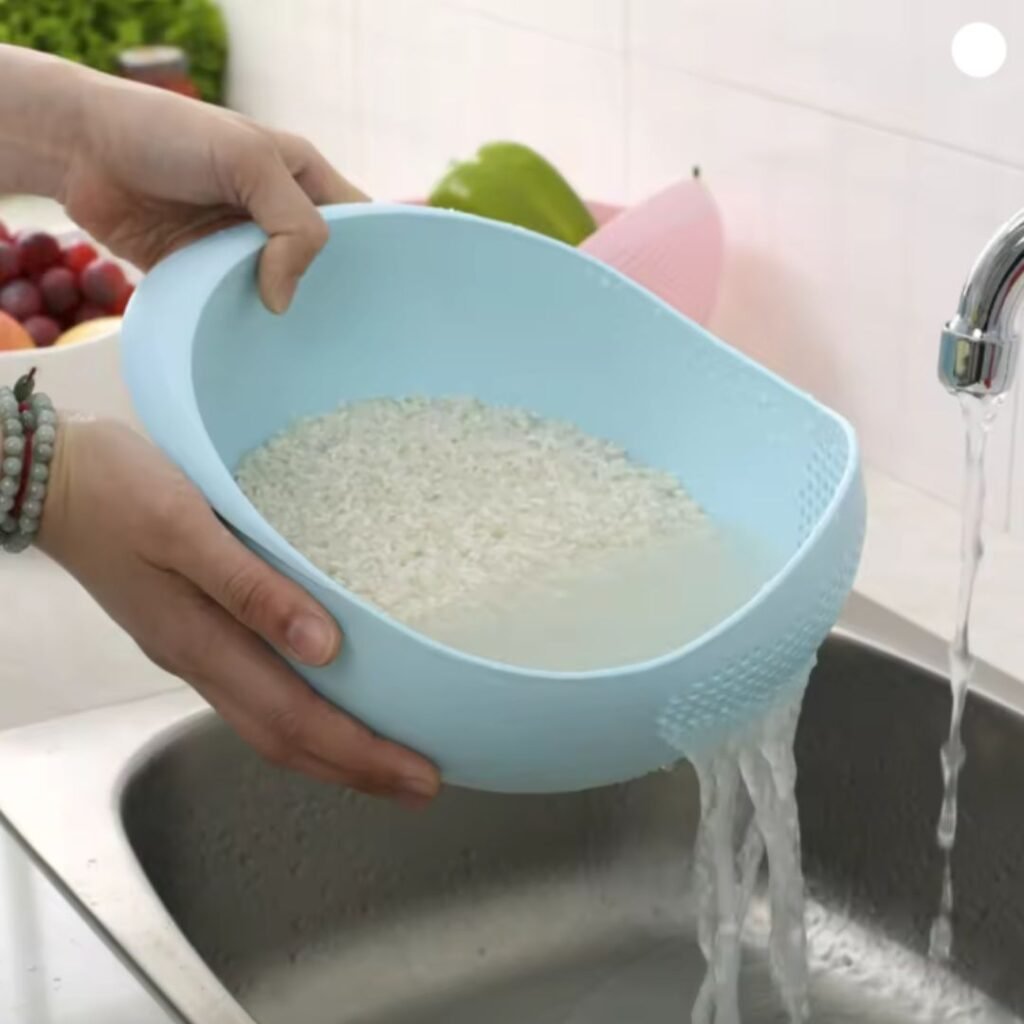
- Prone to cracking or warping under heat or pressure
- Can retain odors or stain over time
- May contain chemicals that could leach into food if of low quality
- Short lifespan; frequent replacement needed
Pros of Stainless Steel Rice Washing Bowls
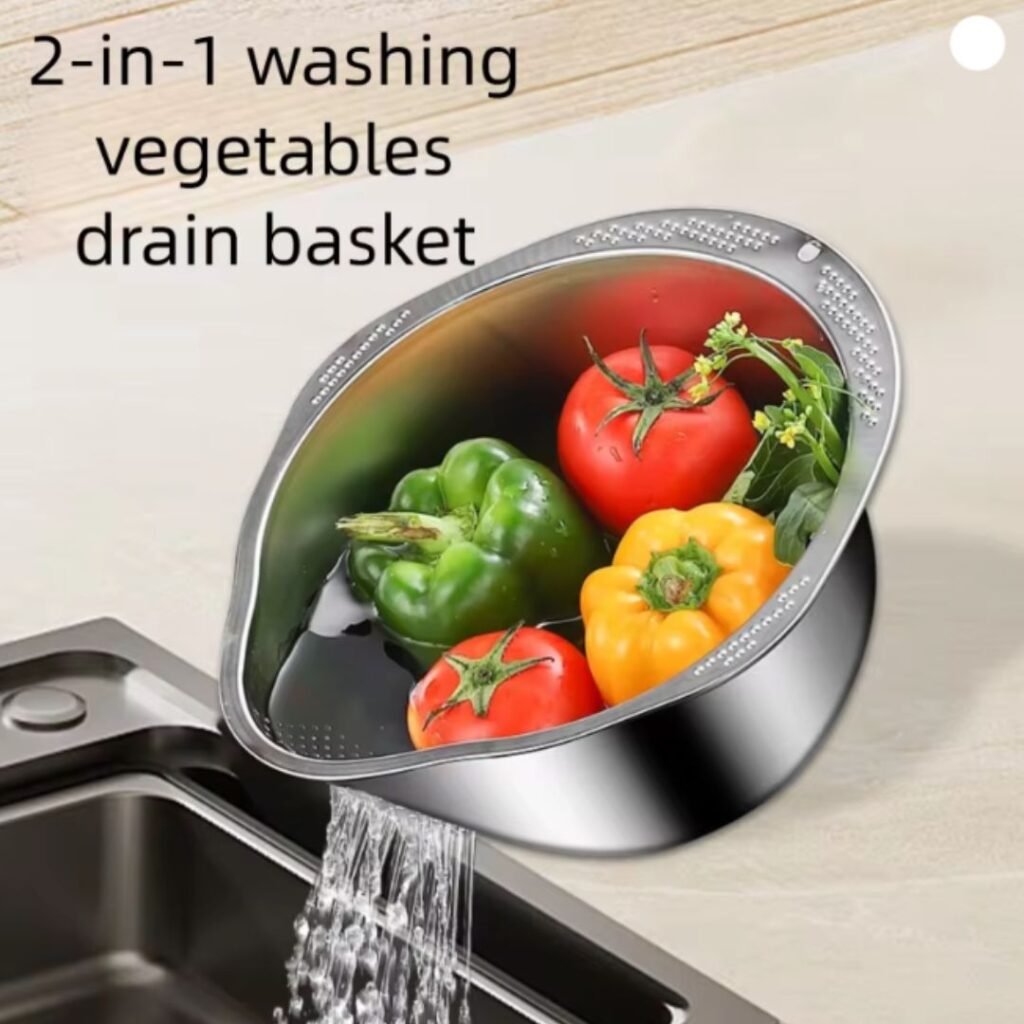
- Durability and Longevity
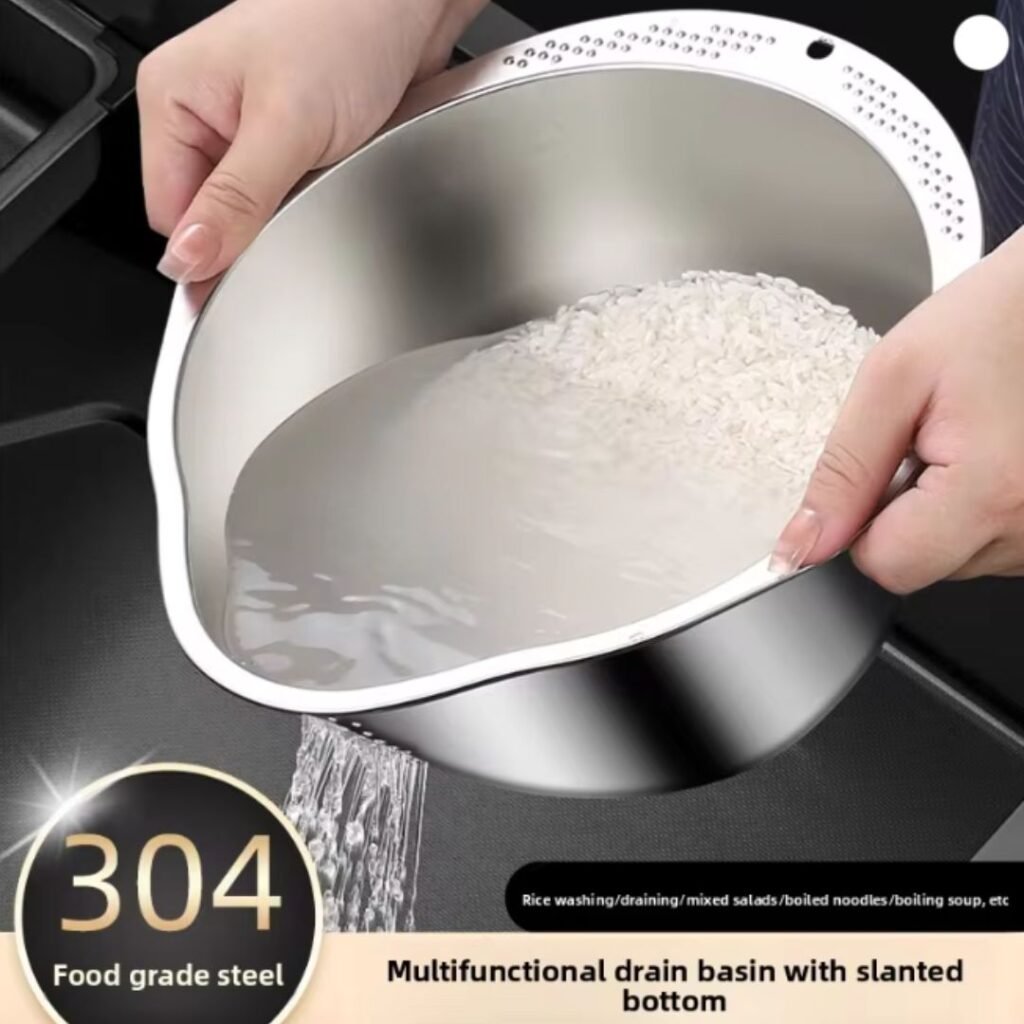
The Rice Washer Strainer Bowl Stainless Steel 304 is built to last, resistant to rust, cracks, and wear and tear. One high-quality steel bowl can serve your kitchen for years. - Hygienic and Safe
Steel bowls are non-porous, odor-resistant, and do not retain food particles, making them ideal for safe and clean food preparation. - Eco-Friendly and Reusable
Unlike disposable plastics, stainless steel bowls are environmentally friendly and can be recycled at the end of their life. - Professional Kitchen Preference
Many chefs and cooking enthusiasts prefer steel for its durability and clean look. This aligns perfectly with trends highlighted in articles like Top 10 Kitchen Appliances 2026, which emphasize efficiency, hygiene, and high-performance kitchen tools.
Cons of Stainless Steel Rice Washing Bowls
- Heavier than plastic; may be less convenient for kids or elderly users
- Higher upfront cost
- Limited color options
Key Features to Look For in a Rice Washing Bowl (2026 Edition)
When selecting the best rice washing bowl, consider these features:
- Material Quality: Stainless Steel 304 is the gold standard for hygiene and durability.
- Size & Capacity: Small for 1–2 people, larger for family cooking.
- Ease of Cleaning: Smooth surfaces and dishwasher-safe options help reduce maintenance.
- Eco-Friendliness: Prioritize recyclable, chemical-free materials.
- Extra Functions: Some bowls like Rice Washer Strainer Bowl Stainless Steel 304 also have integrated strainer functions for faster washing.
Usage Tips for Maximum Efficiency
- Always rinse rice multiple times to remove excess starch
- Use the ergonomic design of steel bowls to prevent spills
- Pair with other modern kitchen appliances for smoother workflow
- Dry immediately after washing to maintain shine and hygiene
Why Steel Bowls Are Preferred in 2026
Sustainability, hygiene, and durability are top priorities for home chefs in 2026. While plastic may appeal for low-cost, lightweight convenience, steel bowls provide:
- Long-term investment
- Health safety
- Professional appearance for modern kitchen setups
For users looking to build a smart, modern kitchen, combining a Stainless Steel 304 Rice Washer Strainer Bowl with high-quality appliances ensures both efficiency and style.
Cleaning & Maintenance Tips
- Rinse immediately after use
- Avoid abrasive tools that can scratch the steel surface
- Store dry to maintain shine and hygiene
- Polish occasionally with mild detergent if needed
Following these simple steps ensures your steel rice washing bowl lasts for years while staying clean and odor-free.
Final Verdict – Plastic or Steel?
When deciding Plastic vs Steel Rice Washing Bowl, consider your priorities:
- Budget-conscious / light usage: Plastic may suffice
- Durability / hygiene / long-term value: Steel is the clear winner
For a kitchen that prioritizes longevity, hygiene, and professional efficiency, investing in Rice Washer Strainer Bowl Stainless Steel 304 is the smartest choice in 2026. This bowl pairs well with other modern appliances discussed in Top 10 Kitchen Appliances 2026, enhancing your cooking workflow and overall kitchen experience.
Product Image | Product Name | Specifications | Rating | Prices |
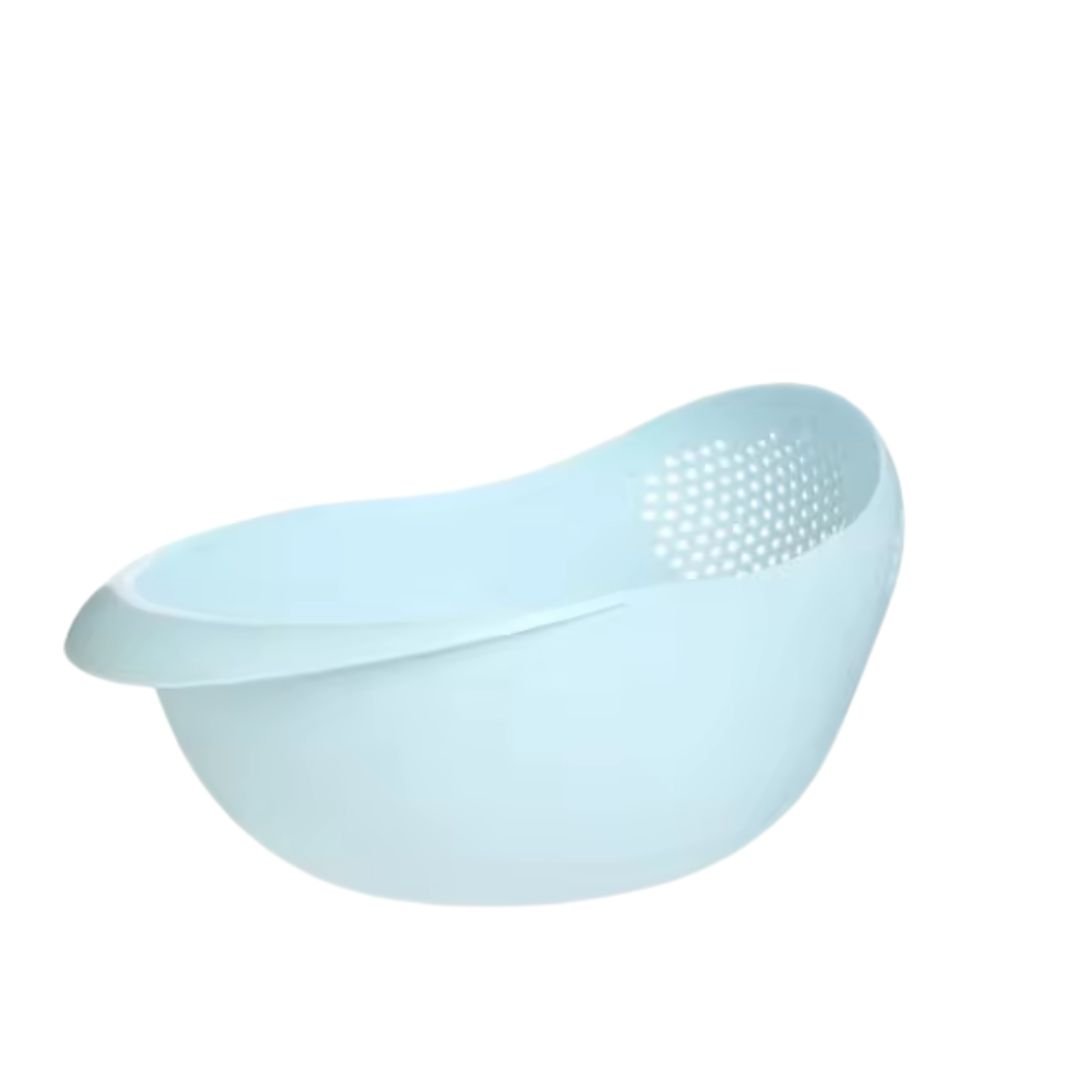
| Plastic Colander Rice Bowl |
| ; | |

| Rice Washer Strainer Bowl Stainless Steel 304 |
| ; |

Welcome to Products Analysis! I’m Muhammad Hasban, the founder and author behind this platform. Here, I share detailed insights, reviews, and analysis of products to help you make smart buying decisions. My goal is to provide honest, reliable, and easy-to-understand information for shoppers everywhere.