
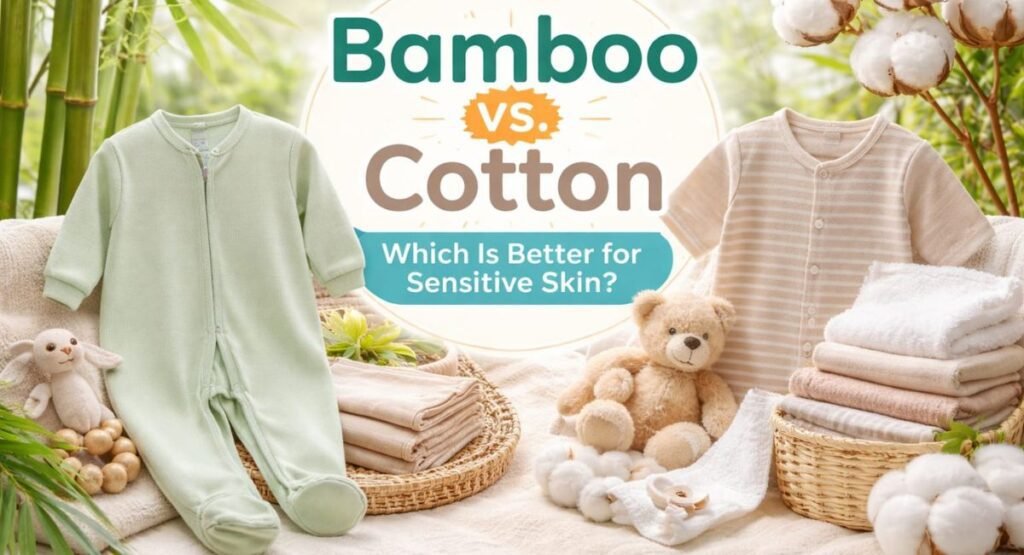
Bamboo vs Cotton Baby Clothes 2026: Which Is Better for Sensitive Skin?
Introduction
Many parents today feel confused when choosing the right clothes for their baby. The biggest question is simple: bamboo vs cotton baby clothes — which one is better?
This choice becomes even more important if your baby has sensitive skin. Issues like rashes, itching, and sweating can make your baby uncomfortable and disturb sleep.
In this guide, you will learn the full baby clothing comparison between bamboo and cotton. We will break down comfort, safety, price, and more so you can choose the best option for your baby.
What Are Bamboo Baby Clothes?
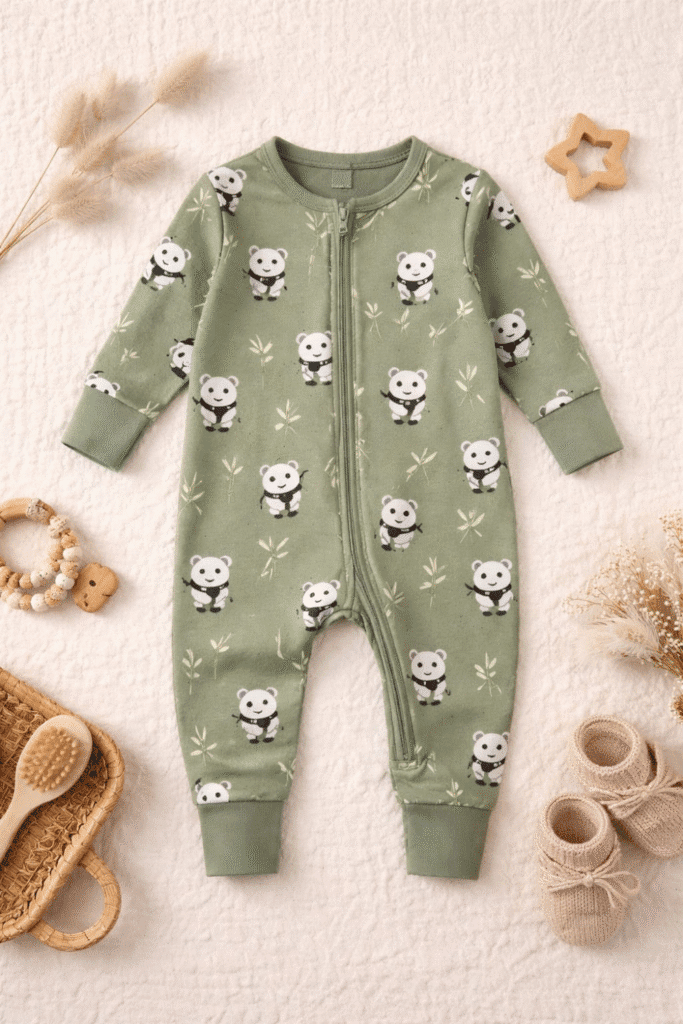
Bamboo baby clothes are made from fabric created using bamboo plants. This material is processed into a soft, smooth fabric called bamboo viscose.
These clothes are known for:
- Ultra-soft texture
- Lightweight feel
- Natural breathability
Many parents prefer bamboo because it feels gentle on the skin and works well as baby clothes for sensitive skin. It is also often used in organic baby clothes collections.
What Are Cotton Baby Clothes?
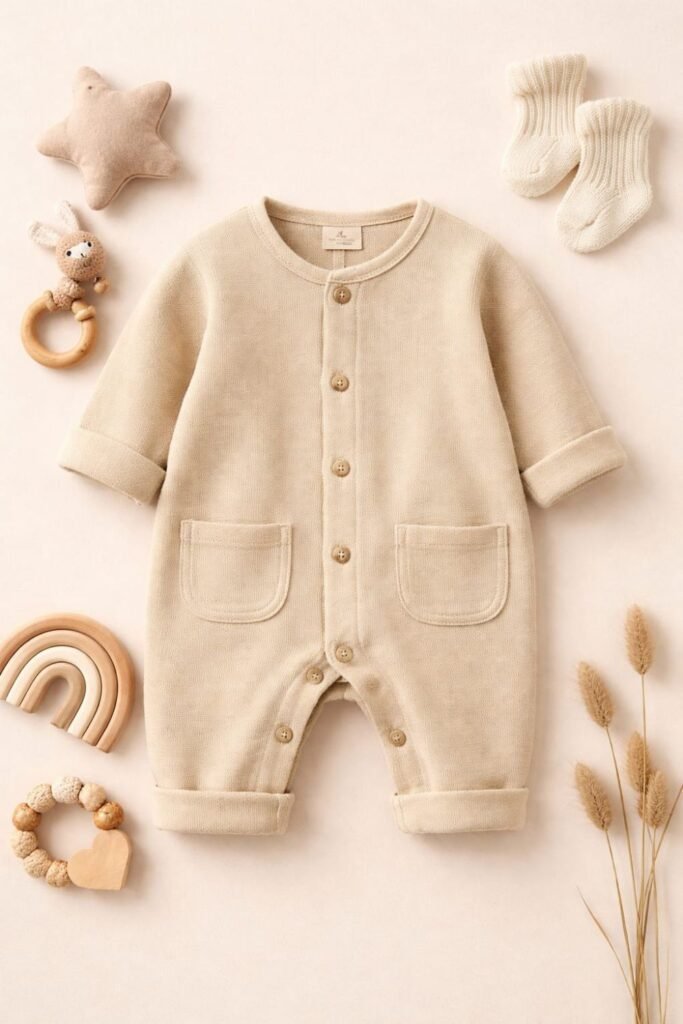
Cotton baby clothes are the most common type of baby clothing. They are made from natural cotton fibers and have been used for many years.
Cotton is popular because:
- It is affordable
- Easy to find
- Simple to wash
Most parents start with cotton because it is familiar. However, when comparing bamboo vs cotton baby clothes, cotton may not always be the best for sensitive skin.
Bamboo vs Cotton Baby Clothes (Quick Comparison Table)
Here’s a simple comparison to help you understand both fabrics:
Feature | Bamboo Baby Clothes | Cotton Baby Clothes |
Softness | Very soft and smooth | Soft but slightly rougher |
Breathability | Highly breathable | Good but less airflow |
Skin Friendly | Ideal for sensitive skin | Can cause irritation |
Price | Higher | More affordable |
Durability | Long-lasting with care | Durable but may shrink |
This quick view shows why many parents now prefer bamboo in the bamboo vs cotton baby clothes debate.
Which Is Better for Sensitive Skin?
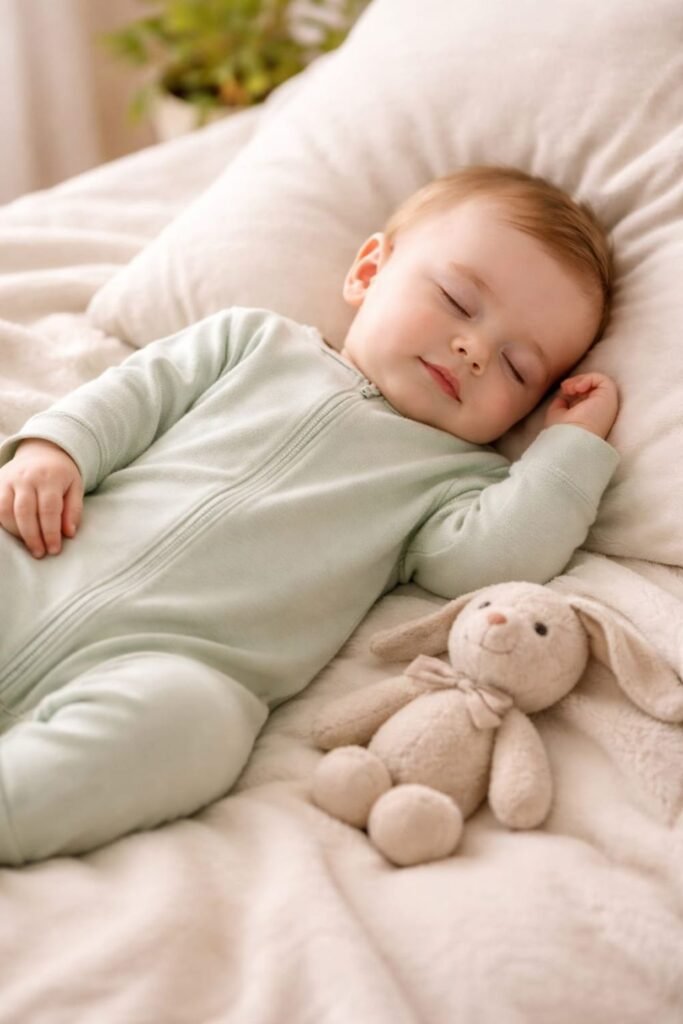
If your baby has sensitive skin, bamboo is usually the better option.
Bamboo fabric is:
- Smoother
- Less likely to cause irritation
- Naturally hypoallergenic
Cotton, while natural, can sometimes feel rough or trap moisture. This can lead to:
- Skin rashes
- Redness
- Discomfort
So when choosing baby clothes for sensitive skin, bamboo is often the safer and more comfortable choice.
Comfort & Breathability Comparison
Comfort plays a big role in your baby’s sleep and mood.
Bamboo Fabric:
- Keeps baby cool in summer
- Keeps baby warm in winter
- Absorbs sweat quickly
This makes it perfect breathable baby clothes for all seasons.
Cotton Fabric:
- Comfortable in mild weather
- Can trap heat in summer
- Absorbs moisture but stays wet longer
When comparing bamboo vs cotton pajamas, bamboo clearly offers better temperature control.
Bamboo vs Cotton Baby Clothes Durability & Maintenance
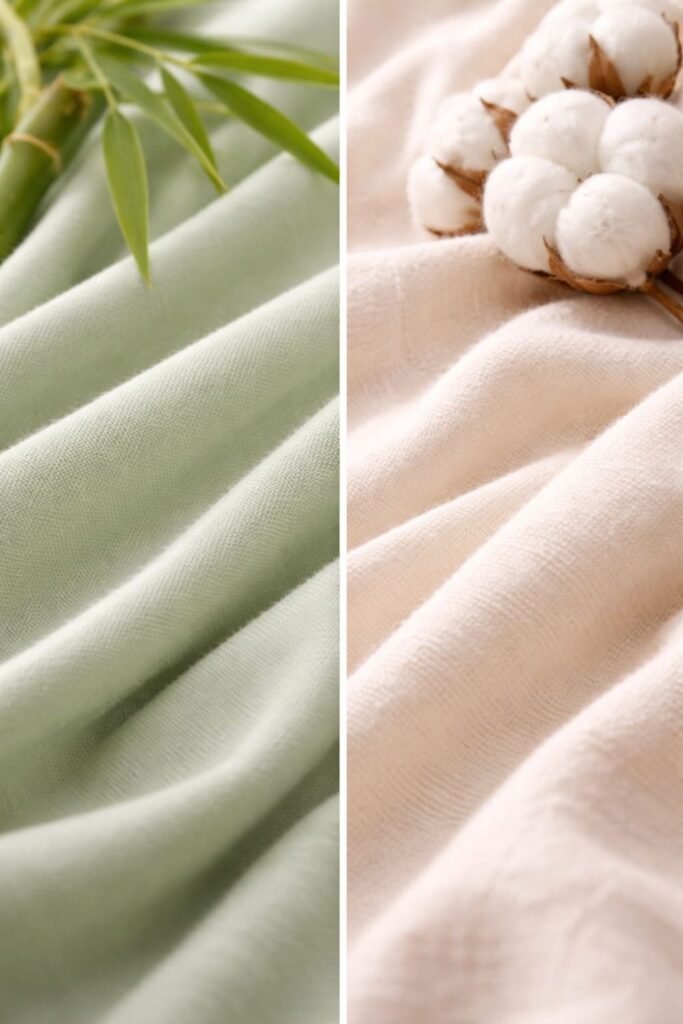
Parents also need clothes that last longer and are easy to maintain.
Bamboo:
- Strong but needs gentle washing
- Best washed in cold water
- Keeps softness for a long time
Cotton:
- Easy to wash
- Can shrink after multiple washes
- May lose softness over time
Both are good, but bamboo requires a little extra care.
Price Comparison
Price is an important factor for many parents.
Bamboo Baby Clothes:
- Usually more expensive
- Premium quality products
- Better long-term comfort
Cotton Baby Clothes:
- Budget-friendly
- Easy to replace
- Widely available
In the bamboo vs cotton baby clothes comparison, cotton wins in price, but bamboo offers better comfort and skin protection.
Bamboo vs Cotton Baby Clothes Pros & Cons
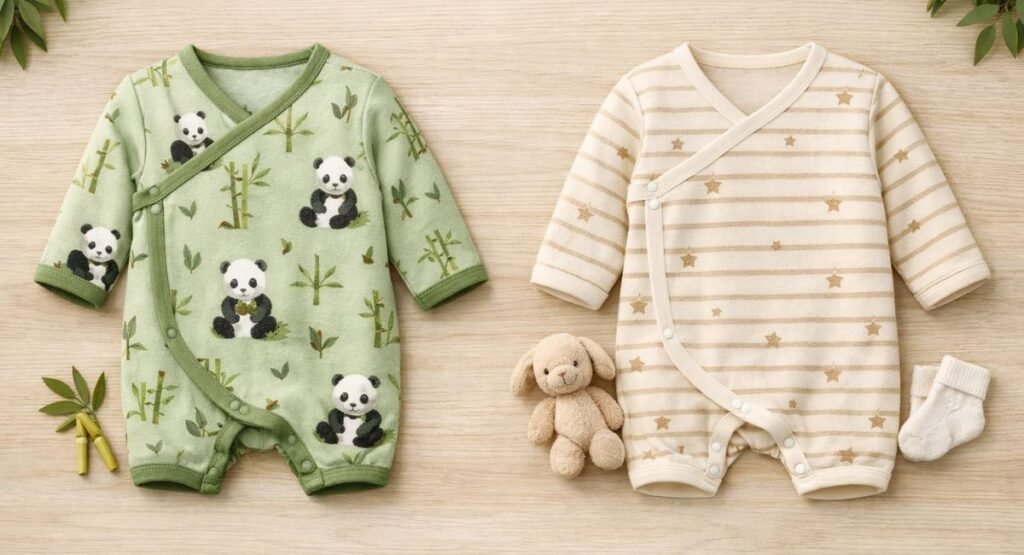
Bamboo Baby Clothes
Pros:
- Extremely soft
- Great for sensitive skin
- Breathable and cooling
- Eco-friendly
Cons:
- Higher price
- Needs gentle washing
Cotton Baby Clothes
Pros:
- Affordable
- Easy to find
- Simple to maintain
Cons:
- Less soft than bamboo
- Can irritate sensitive skin
- Holds moisture
When Should You Choose Bamboo?
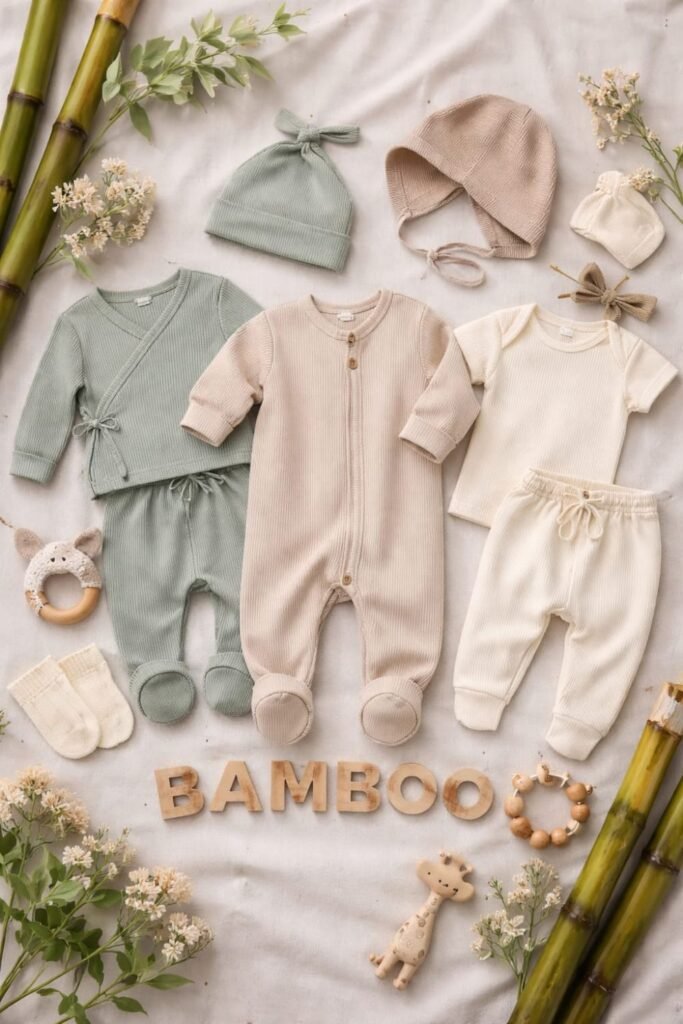
Choose bamboo if:
- Your baby has sensitive skin or eczema
- Your baby sweats a lot
- You want premium comfort
- You prefer organic baby clothes
Many parents also pair bamboo sleepwear with soft items like a Satin Silk Pillowcase for Hair and Skin to create a more comfortable sleep setup.
If you want a complete guide on sleepwear, you can also check Best Bamboo Baby Pajamas 2026: Benefits, Prices & Buying Guide for Parents for deeper insights.
When Should You Choose Cotton?
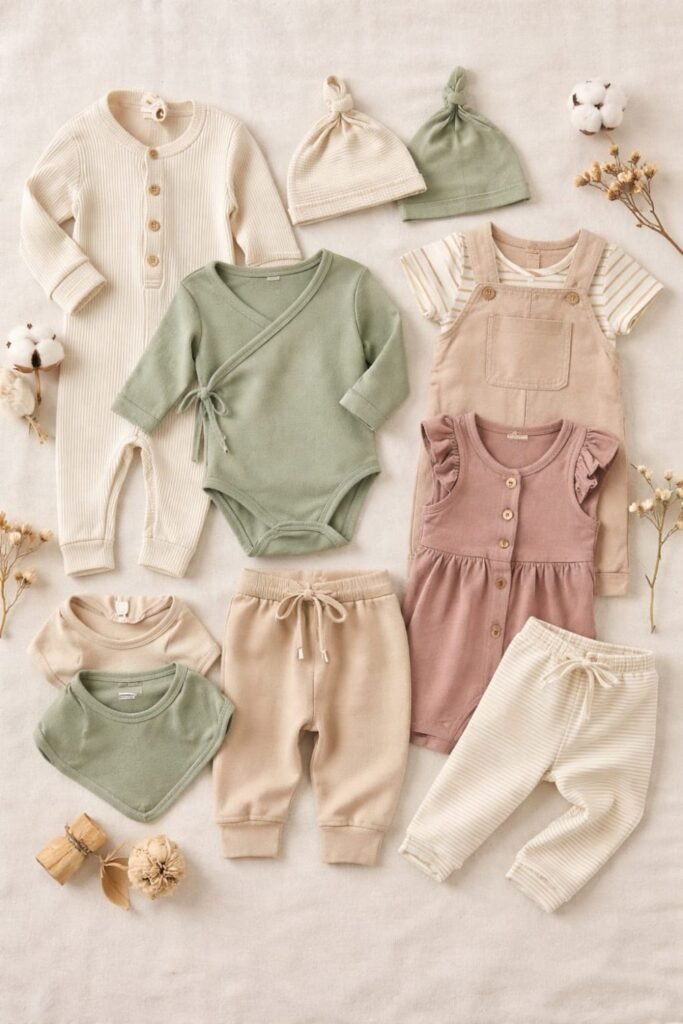
Choose cotton if:
- You are on a budget
- Your baby has normal skin
- You need everyday clothing
- You want easy maintenance
Cotton is still a good option for daily use, especially when cost matters.
Final Verdict
So, in the debate of bamboo vs cotton baby clothes, which one wins?
The answer depends on your needs.
- For comfort, softness, and sensitive skin → Bamboo is better
- For affordability and daily use → Cotton is a practical choice
If your baby struggles with skin irritation or sleep issues, bamboo is definitely worth the investment.
FAQs
1. Is bamboo better than cotton for babies?
Yes, in many cases. Bamboo is softer and better for sensitive skin compared to cotton.
2. Are bamboo baby clothes safe for newborns?
Yes, they are safe. Bamboo baby clothes are gentle, breathable, and ideal for newborn skin.
3. Which fabric is best for baby sensitive skin?
Bamboo is the best option because it is smooth and reduces irritation.
4. Is cotton bad for babies?
No, cotton is not bad. But it may not be ideal for babies with sensitive skin.
5. Are bamboo clothes worth the price?
Yes, they offer better comfort, durability, and skin protection, making them worth the cost.

Welcome to Products Analysis! I’m Muhammad Hasban, the founder and author behind this platform. Here, I share detailed insights, reviews, and analysis of products to help you make smart buying decisions. My goal is to provide honest, reliable, and easy-to-understand information for shoppers everywhere.