
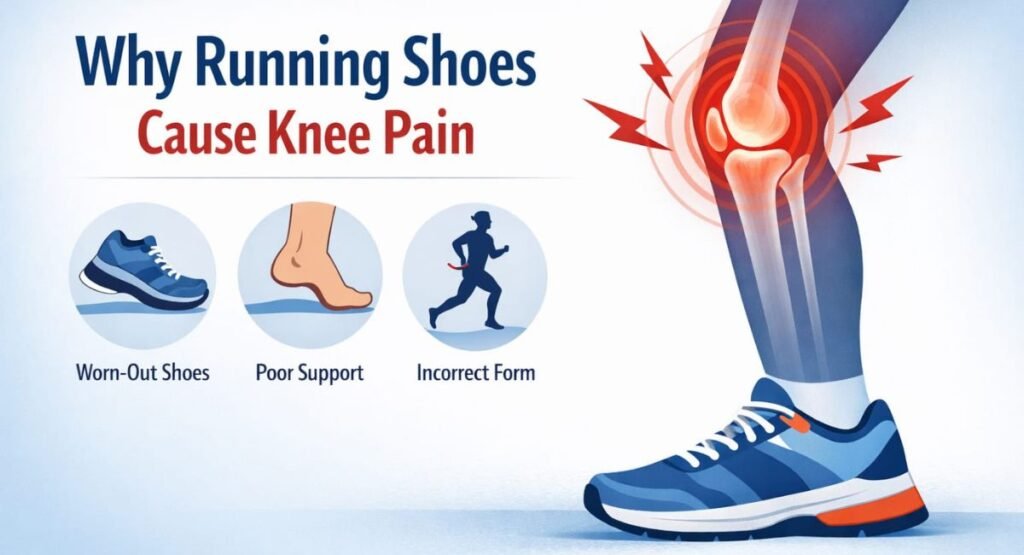
Why Running Shoes Cause Knee Pain (2026 Guide + Easy Fixes)
Introduction
Many people feel excited when they buy new running shoes. But after a few runs, something unexpected happens—knee pain starts. This problem is more common than you think. A lot of beginners and even regular runners face running shoes knee pain without understanding the real reason.
You may think your knees are weak. But in many cases, the issue is not your body—it’s your shoes. Wearing the wrong type of footwear can quietly lead to running shoes knee pain, especially when you run regularly without proper support.
In this guide, you will learn why running shoes cause knee pain, what mistakes people make, and how you can fix this problem easily. If you follow the tips shared here, you can avoid running shoes knee pain, run comfortably, and protect your knees in the long run.
What Is Knee Pain from Running Shoes?
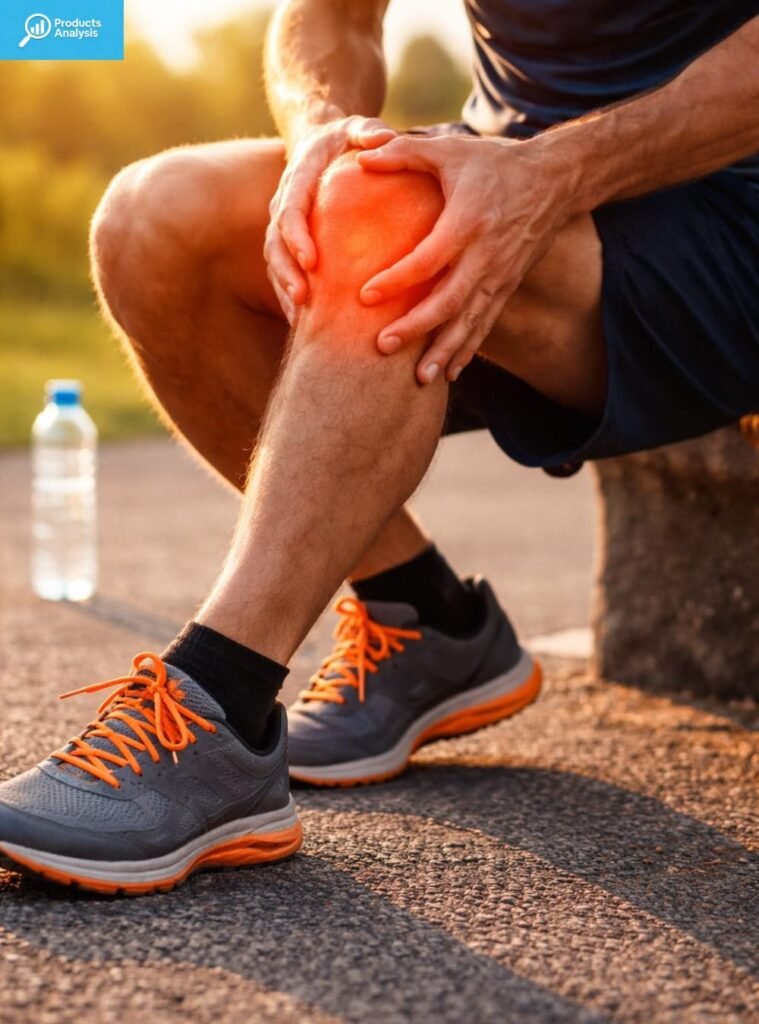
Knee pain from running shoes is discomfort or pain in your knees caused by wearing the wrong type of shoes while running or walking.
This pain can feel like:
- A dull ache in the front of the knee
- Sharp pain when running or climbing stairs
- Stiffness after sitting for a long time
Who Faces This Problem?
- Beginners who just started running
- Daily runners using the same shoes for months
- People who buy shoes based on looks, not comfort
If you are new to running or recently changed your shoes, your knee pain from running shoes may be linked to poor shoe choice.
Why Running Shoes Cause Knee Pain
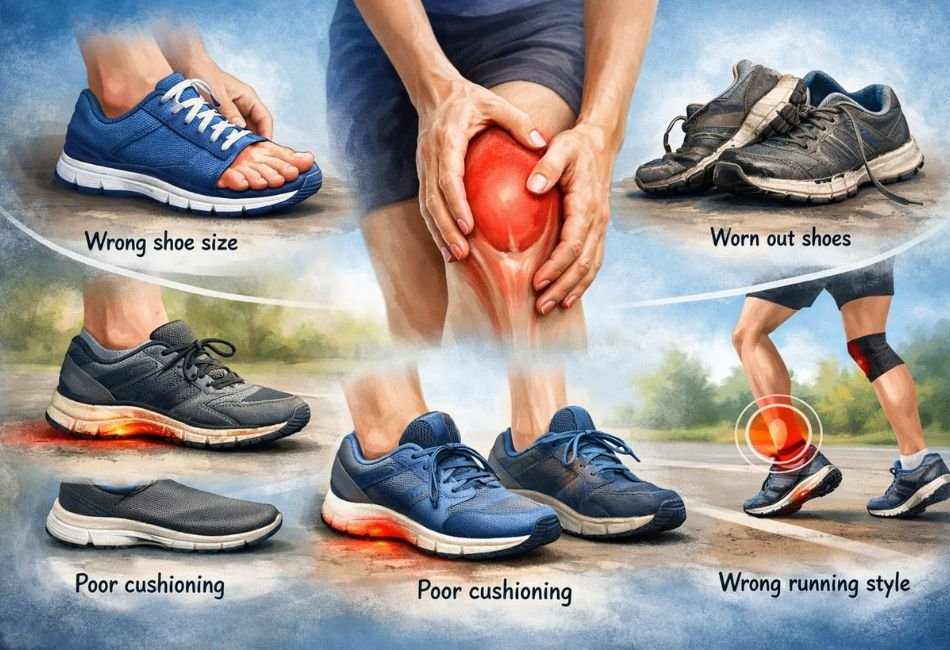
Let’s break down the real reasons behind running shoes knee pain so you can understand what’s going wrong.
1. Wrong Shoe Size
Wearing shoes that are too tight or too loose can affect how your foot lands on the ground.
- Tight shoes restrict movement
- Loose shoes cause instability
Both cases put extra pressure on your knees.
If you feel your toes hitting the front or your heel slipping, your size is wrong.
2. Lack of Support
Not all running shoes offer proper support. Some are flat and do not support your arch.
This can lead to:
- Poor alignment of your legs
- Extra stress on knees
This is one of the biggest reasons why running shoes cause knee pain.
3. Poor Cushioning
Cushioning helps absorb shock when your foot hits the ground.
If your shoes lack cushioning:
- Impact goes directly to your knees
- Pain builds over time
Hard surfaces like roads make this problem worse.
4. Using Old or Worn-Out Shoes
Running shoes do not last forever.
After 400–500 km of use:
- Cushioning becomes weak
- Support breaks down
Old shoes are a hidden cause of running shoes knee pain.
5. Wrong Running Style
Even the best shoes cannot fix a bad running form.
Common issues include:
- Heel striking too hard
- Uneven foot landing
This creates extra pressure on your knees.
6. Flat Feet or High Arches
Your foot shape matters a lot.
- Flat feet need stability shoes
- High arches need extra cushioning
If you ignore your foot type, knee pain from running shoes is almost guaranteed.
Common Mistakes People Make When Buying Running Shoes
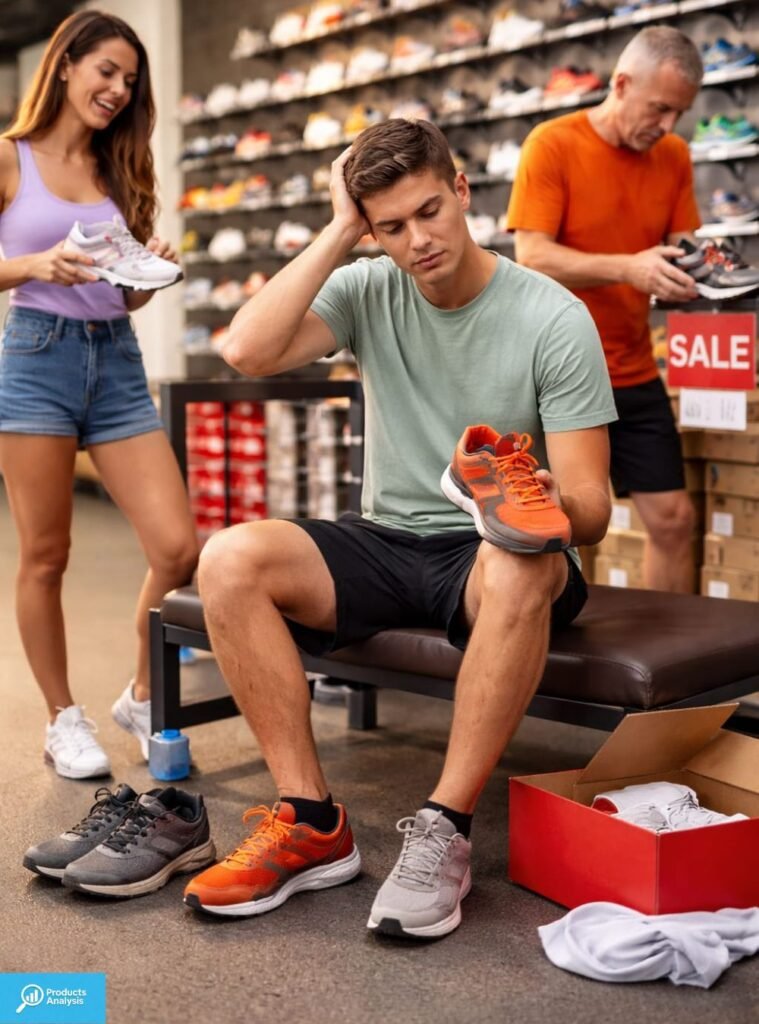
Many people unknowingly make mistakes that lead to pain later.
1. Choosing Style Over Comfort
Some shoes look amazing but feel terrible.
For example, stylish sneakers like Air Jordan 13 Chicago or Nike vs Adidas Running Shoes 2026 are great for fashion but not designed for running. Wearing such shoes for running can lead to knee stress.
2. Not Checking Foot Type
Most people don’t know if they have:
- Flat feet
- Neutral feet
- High arches
This leads to choosing the wrong type of shoe.
3. Buying Too Tight or Too Loose Shoes
A small size mistake can create big problems.
Tip: Always leave a thumb-width space at the front.
4. Ignoring Daily Usage Needs
If you walk or run daily, you need proper running shoes—not casual footwear like those discussed in guides such as No Tie Shoe Laces – Elastic Press Lock Shoelaces for Sneakers 2026, which focus more on convenience than performance.
How to Prevent Knee Pain While Running
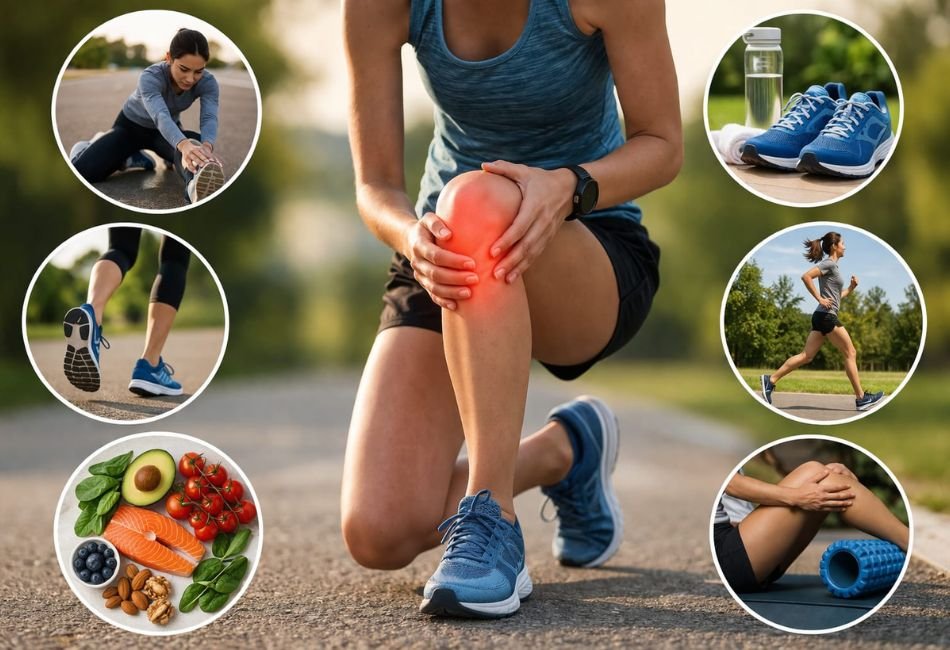
Now let’s talk about real solutions.
1. Choose the Correct Shoe Size
- Try shoes in the evening (feet are slightly bigger)
- Walk and jog a little before buying
2. Pick Proper Support Shoes
Choose shoes based on your foot type:
- Flat feet → Stability shoes
- Neutral feet → Balanced shoes
- High arches → Cushioned shoes
3. Replace Shoes Regularly
Do not wait until your shoes are fully damaged.
Rule: Replace every 6–8 months if you run regularly.
4. Warm-Up and Stretching
Never skip warm-ups.
Simple steps:
- 5–10 minutes walking
- Light stretching
This reduces stress on knees.
5. Run on Softer Surfaces
If possible, avoid hard roads.
- Grass or track is better
- Less impact on knees
Best Running Shoe Features for Knee Support
If you want to avoid running shoes knee pain, look for these features.
Feature | Why It Matters |
Cushioning | Reduces impact on knees |
Arch support | Keeps foot balanced |
Flexibility | Natural movement |
Breathable material | Comfort during long runs |
Quick Fixes If You Already Have Knee Pain
If you already feel pain, don’t ignore it.
1. Rest and Recovery
Stop running for a few days.
Your body needs time to heal.
2. Ice Therapy
Apply ice for 10–15 minutes.
- Reduces swelling
- Eases pain
3. Change Your Shoes
Sometimes the solution is simple—get better shoes.
4. Light Exercises
Try:
- Knee strengthening exercises
- Stretching routines
5. Reduce Activity Load
If you also carry extra weight or gear (like items from guides such as Men’s Waterproof Large Capacity Fanny Pack), try to keep things light during recovery.
Pros & Cons of Different Running Shoes
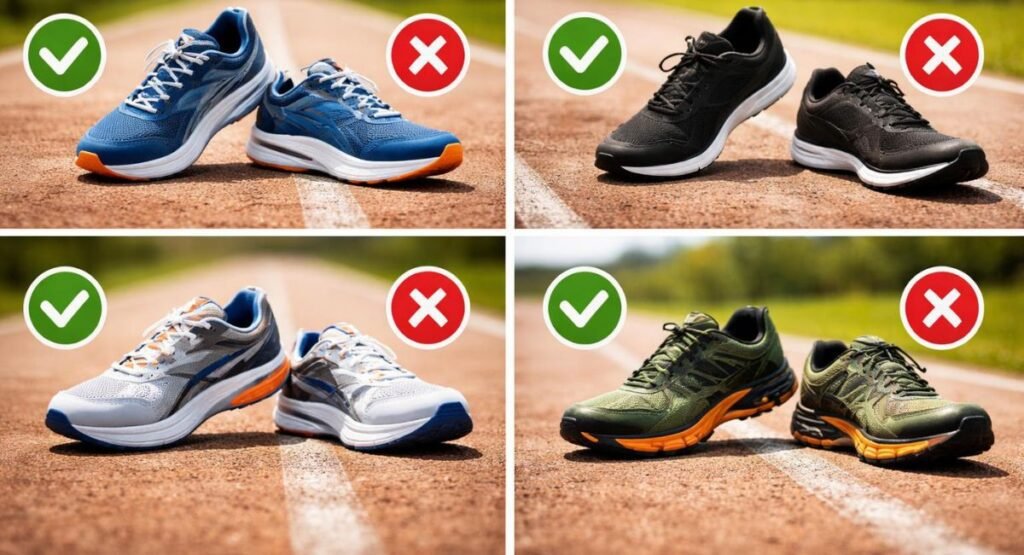
Lightweight Shoes
Pros:
- Fast and flexible
- Good for short runs
Cons:
- Less cushioning
- Can increase knee stress
Cushioned Shoes
Pros:
- Better shock absorption
- Comfortable for long runs
Cons:
- Slightly heavier
- More expensive
Budget Shoes
Pros:
- Affordable
- Good for beginners
Cons:
- May lack durability
- Limited support
Premium Shoes
Pros:
- Advanced support
- Better comfort
Cons:
- Expensive
Buying Guide: How to Choose the Right Running Shoes
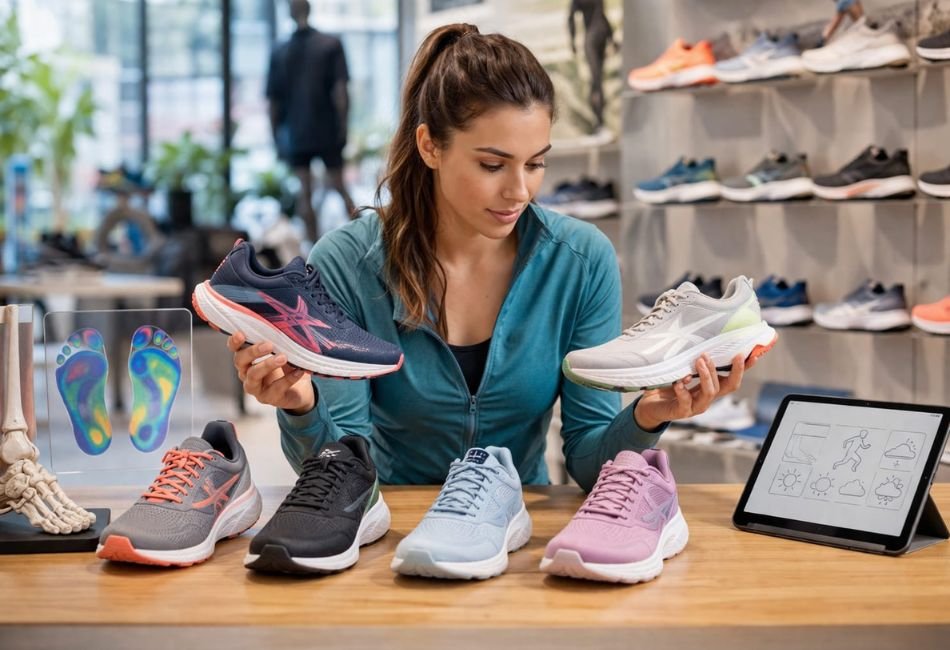
Here’s a simple step-by-step guide for beginners.
Step 1: Know Your Foot Type
- Flat
- Neutral
- High arch
Step 2: Set Your Budget
Don’t always go for the cheapest option. Your health matters.
Step 3: Check Cushioning
Press the sole and feel softness.
Step 4: Try Before Buying
Walk and jog in the store.
Step 5: Read Reviews
Look for feedback from real users.
Step 6: Avoid Multi-Purpose Confusion
Don’t mix running shoes with casual or gadget-focused purchases like those found in Best Travel Power Bank 2026 or Best Budget Tablet for Students 2026 Affordable. Running shoes need specific performance features.
Step 7: Start Slow
If you are new:
- Use your shoes for short runs first
- Let your body adjust
Final Verdict
Running shoes knee pain is a real problem, but the good news is—it is completely fixable.
Most of the time, the issue is not your knees—it’s your shoes. Wearing the wrong type of footwear can slowly create pressure on your joints and lead to running shoes knee pain, especially if you run regularly.
You should consider changing your shoes immediately if:
- You feel pain after every run
- Your shoes are old or worn out
- You bought shoes without checking proper support
If you ignore these signs, running shoes knee pain can become worse over time and affect your daily life.
Choosing the right running shoes can completely change your experience. You will feel more comfortable, run longer, and protect your knees from future pain.
FAQs
1. Can running shoes really cause knee pain?
Yes. Wearing the wrong shoes can lead to poor support and impact, causing running shoes knee pain over time.
2. How do I know if my shoes are causing knee pain?
If your pain started after buying new shoes or using old ones, your shoes are likely the problem.
3. What are the best shoes for knee pain running?
Shoes with good cushioning, arch support, and proper fit are best for reducing knee pain.
4. How often should I replace running shoes?
You should replace them every 400–500 km or every 6–8 months if you run regularly.
5. How to prevent knee pain running?
Wear proper shoes
Warm up before running
Avoid hard surfaces
Maintain good running form

Welcome to Products Analysis! I’m Muhammad Hasban, the founder and author behind this platform. Here, I share detailed insights, reviews, and analysis of products to help you make smart buying decisions. My goal is to provide honest, reliable, and easy-to-understand information for shoppers everywhere.